
近期出版 Recent Publication
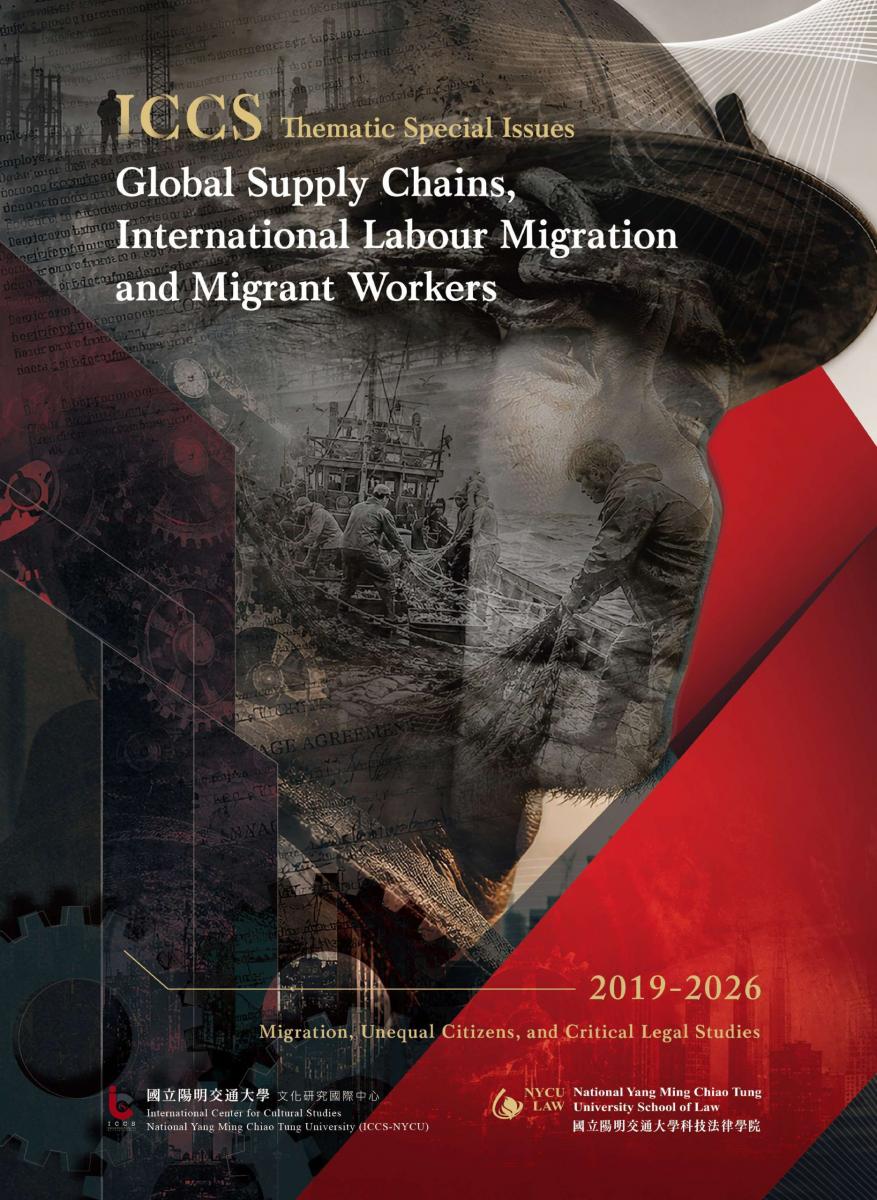
ICCS Thematic Special Issues: Global Supply Chains, International Labour Migration and Migrant Workers (2019–2026) — Migration, Unequal Citizens, and Critical Legal Studies
moreDigital Governance and the Intensification of Securitization: The Case of Rohingya Refugees in India
Principle Investigator:Monika Verma
Across the world, millions of people live without the protection of citizenship—stateless, displaced, and politically marginalized. Forced migration and statelessness remain among the most pressing challenges of the twenty-first century, shaped by exclusionary citizenship regimes, border politics, and evolving technologies of governance. In South Asia, these dynamics are particularly visible in the experiences of the Rohingya, one of the world's largest stateless populations, who have faced systematic exclusion from citizenship in Myanmar and increasingly restrictive forms of governance in host countries across the region.
This project examines the intersection of forced migration, statelessness, security, and digital governance, with a particular focus on Rohingya refugees in South Asia. Drawing on critical security studies and postcolonial approaches, the research investigates the ways in which state anxieties surrounding borders, national identity, and belonging shape refugee governance. The research focuses on the growing role of digital technologies in migration management and security governance. In particular, the project examines how biometric identification systems, digital identity infrastructures, and data-driven governance mechanisms transform the regulation of refugee populations. Focusing on Rohingya refugees in India, the research analyzes how systems such as Aadhaar, originally introduced as tools of social inclusion, can become instruments of surveillance, monitoring, and exclusion.
.png)