
Report | (Part II) ACT: Multispecies Special Issue Book Launch
2026-04-16
Date & Time: November 30, 2025 (Sun) 14:00-16:00
Speaker:
Moderator:Chen Kuan-Chang (Resident Researcher in Yizhu, Taiwan Cultural & Creative Foundation)
Report Writer: Kuo Yu-Ling (MA, Institute of Social Research and Cultural Studies, NYCU)
Event Link: Link
Event Photos: Link
Environmental Crises and Multi-species Justice in the 21st Century: Toward Decolonization Beyond the Human
Project Lead: Tsai Yen-Ling
Jung-Tai Chen: From sacrifice to metamorphosis, rethinking human-animal relations
Following Huang Han-Yao and Hsu Chen-Fu from the previous part, the next to share is Jung-Tai Chen, a PhD candidate in Social Anthropology at the École des Hautes Études en Sciences Sociales (EHESS). Through two cases that cross the boundaries between humans and domestic animals: "xenotransplantation" and "zoonotic diseases," Jung-Tai, in his article Accompanying Life and Death: The Morphing of Human-Animal Relations, attempts to respond to various perplexities and reflections from his own fieldwork, further exploring the potential shifts in human-animal relations—an instability in the relationship between humans and domestic animals within contemporary contexts.
Jung-Tai’s perplexity toward his fieldwork originated from his practical experience in Lanyu pig conservation. By chance, he participated in the care of Lanyu pigs at the Taitung Animal Propagation Station of the Ministry of Agriculture's Livestock Research Institute as an intern. During the process, he discovered that even compared to most commercial pig farms, the animal welfare of Lanyu pigs was relatively good; not only were no biomedical experiments actually conducted in that field, but the interactions between many breeders and researchers and the pigs were not simply treating them as "operational objects." However, colleagues would still use "sacrifice" to define the positioning of Lanyu pigs (viewing them as experimental animals rather than economic animals). This led him to wonder: Is the relationship between humans and domestic animals necessarily built on this logic of sacrifice? Is it possible, in certain situations, to temporarily break away from this framework of sacrifice?
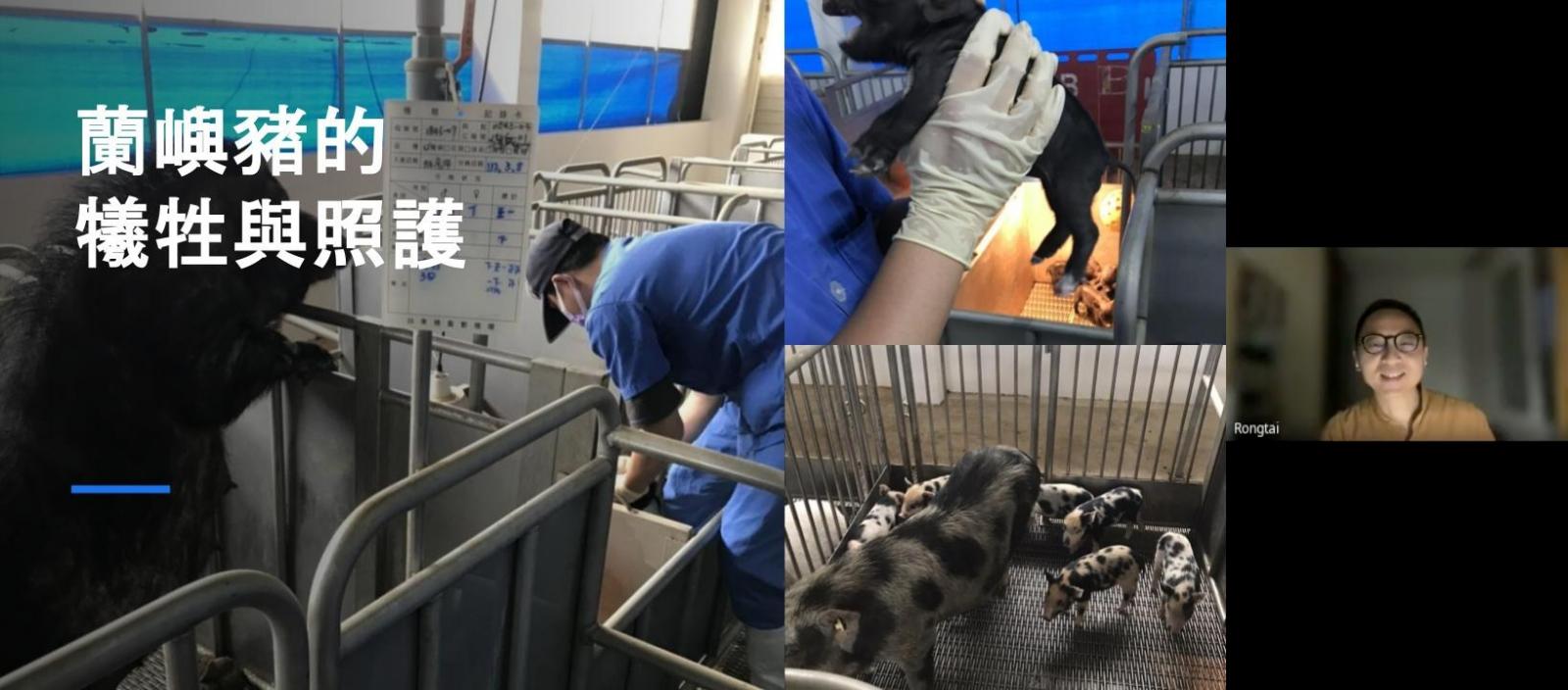
Figure 1: The experience of caring for Lanyu pigs at the Taitung Animal Propagation Station of the Ministry of Agriculture's Livestock Research Institute caused Jung-Tai Chen to generate various perplexities and reflections on human-animal relations, thereby initiating this ontological speculation on the "relationship between humans and animals."
The term "sacrifice" (sacrifice) is common in the field of biomedical experiments as a euphemism for killing animals. Simultaneously, because the vast majority of animal sacrifice rituals use poultry and livestock, anthropology has long focused on the relationship between domestic animals and sacrifice. As early as the 1980s, STS scholar Michael Lynch borrowed from early animal sacrifice rituals to discuss how biomedical laboratories kill animals through organized and orderly procedures, converting living animals into abstract data that can be analyzed. Like religious rituals, daily laboratories establish connections between the visible and invisible, the natural and supernatural, through sacrifice. Jung-Tai pointed out that from his experience in caring for Lanyu pigs, even though experimental animal care has moved toward the direction of animal welfare, it is still difficult to escape the logic of "sacrifice." The unequal "sacrificial" relationship between domestic animals and humans seems to remain quite stable. Coincidentally, during his fieldwork, two French scholars, Frédéric Keck and Catherine Rémy, respectively published works on xenotransplantation and zoonotic diseases. Both works provided Jung-Tai with the possibility of a turn in thinking. To him, the two cases in the books both push the relationship between humans and domestic animals to extreme situations. In these extreme conditions, the unequal relationship between humans and domestic animals—"needing care normally but must be sacrificed at specific moments"—begins to loosen and become unstable, giving us the opportunity to see or imagine alternative forms of relationships.
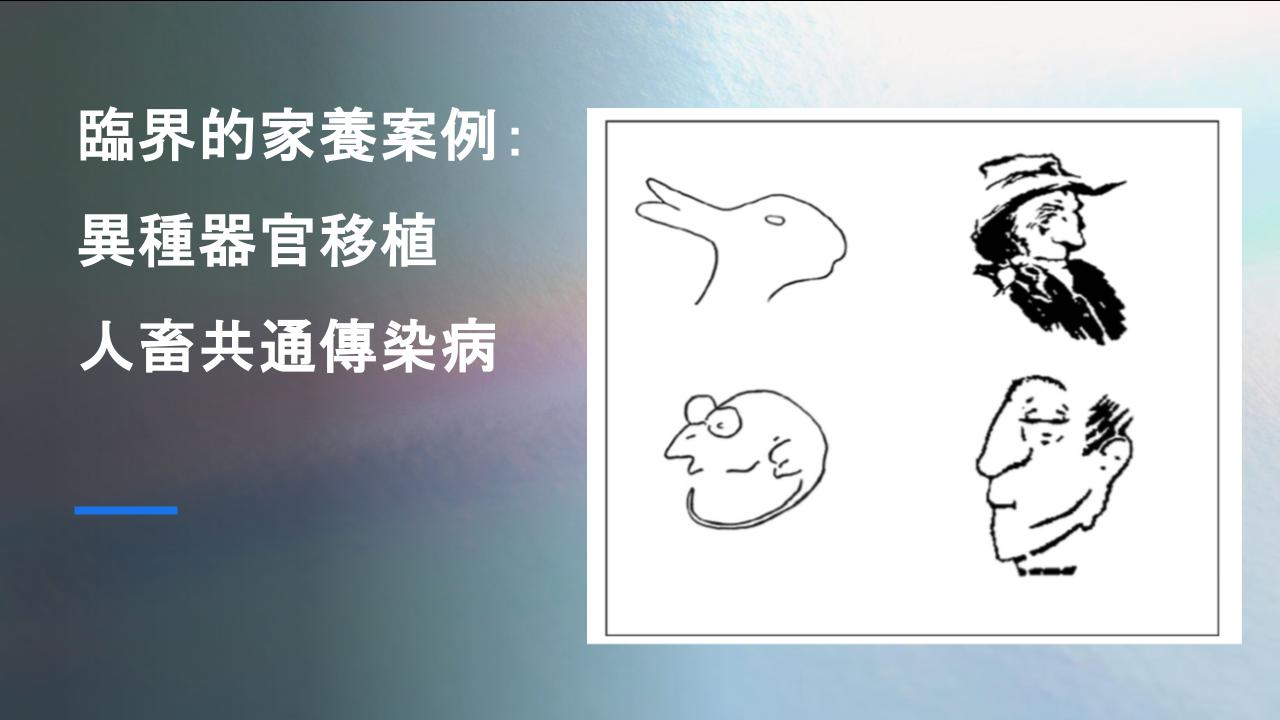
Figure 2: Jung-Tai Chen points out that this unstable form of relationship is like an "ambiguous figure"; viewed from different angles, it presents vastly different appearances. Under normal conditions, such images often only show one manifestation; only when triggered by specific contexts can the other appearance emerge, just like the "extreme situations" discussed in the article, which allow us to see a different relationship between humans and species.
◼️Image source: Speaker's presentation slides
Jung-Tai first mentioned anthropologist Frédéric Keck's multispecies ethnography Avian Reservoirs: Virus Hunters and Birdwatchers in Chinese States. The book mentions that during his fieldwork in Hong Kong, the author noticed some farms deliberately raising unvaccinated "sentinel chickens." Because they are unvaccinated, when these chickens are infected with a virus, they produce obvious symptoms, thereby becoming a signal for humans to warn of an epidemic outbreak.
Keck believes that epidemic prevention technologies like "sentinel chickens" differ from the mass culling of animals adopted during the epidemic expansion phase; the latter is more akin to the sacrificial operations of domestic societies. Relatively speaking, the operation of "sentinel chickens" is closer to technologies in hunting societies that detect danger signals through animal perception and behavior. On this basis, Keck further expands the concept of "sentinel chickens," focusing on the cross-species information communication presented at different levels of pandemic prevention work.
Following Keck's line of thought, Jung-Tai proposed another set of comparable examples in his special issue article: minks and ferrets. Although these two species belong to the same subfamily, they received completely different treatment in zoonotic disease prevention work.
The first case occurred at the end of 2020, when Covid-19 was still severe and vaccines were still in development; Covid-19 virus was found in farmed minks in Denmark. To prevent cross-species transmission and virus mutation, the Danish government decided to cull all 17 million minks in the country. From this, we can see that in the context of zoonotic diseases, when humans and animals simultaneously face the threat of death, some domestic animals, like farmed minks, are required to be sacrificed for a greater cross-species well-being.
The other case is ferrets. Ferrets are animals domesticated earlier than minks; since the 20th century, ferrets have been widely raised as experimental animals. Because the physiological response of ferrets after being infected with influenza virus is similar to humans, scientists observe the spread and mutation of the virus among ferrets, treating them as an early warning signal for assessing the risk of the virus jumping across species to humans. This example presents a mode of sharing, obtaining, and reading signals between humans and specific species. In the practice of responding to zoonotic diseases, humans and species are likely to continue maintaining a relationship of sacrifice, but sometimes they also develop a "sentinel solidarity" based on shared information.
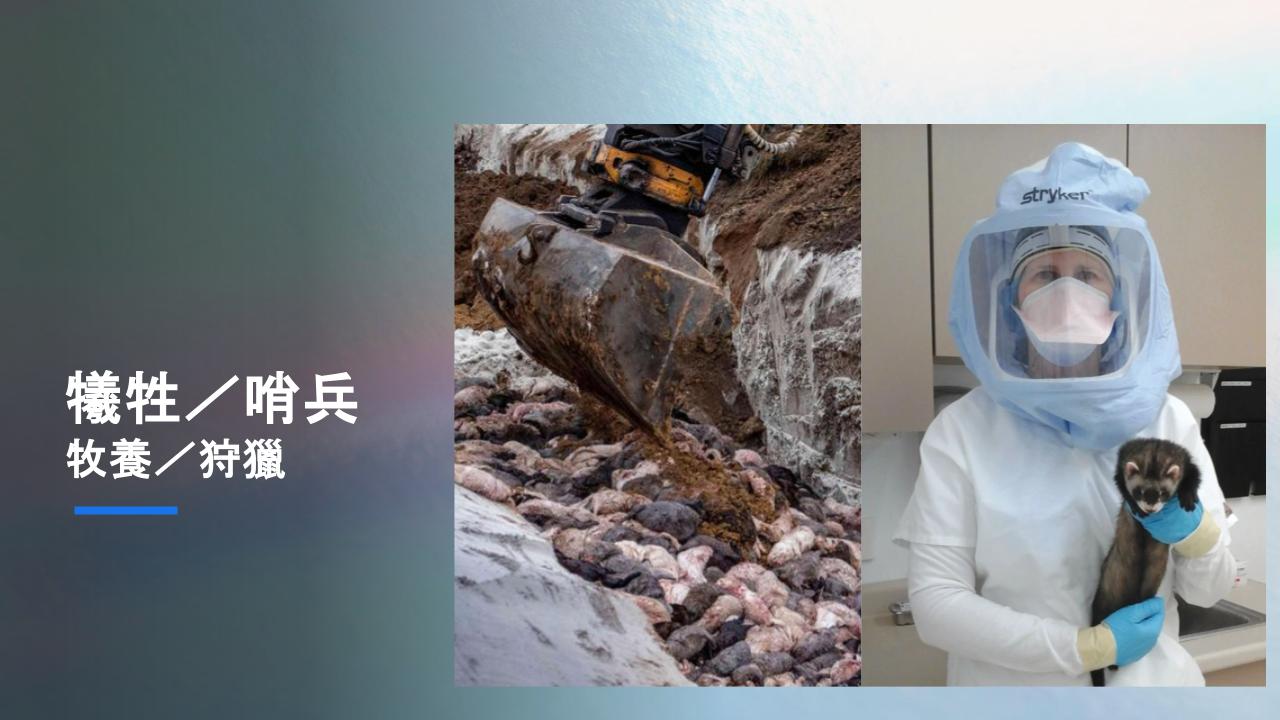
Figure 3: Jung-Tai Chen uses the contrasting encounters of minks (left) and ferrets (right) as cases to illustrate two different relationship imaginings between humans and animals: "sacrifice" and "sentinel solidarity."
◼️ Source: Speaker's presentation.
Another source of inspiration for Jung-Tai was sociologist Catherine Rémy's work La fin des bêtes (The End of Beasts). In this ethnographic study, Catherine studied how people end animal lives by observing pig slaughterhouses, rat laboratories, and animal clinics for cats and dogs, thereby exploring the sometimes unsustainable boundaries between humans and non-human animals. However, when she intended to continue following the trail to investigate xenotransplantation, she was met with a closed door. Rémy turned to researching historical documents and discovered an inherent contradiction in xenotransplantation experiments: animals must be "human-like enough" to provide human organs, but once these animals are "too human-like," whether humans can still legitimately "use" them generates moral doubts.
Rémy pointed out that in the history of xenotransplantation, scientists have been deeply influenced by two different ontologies: one is "dualism," which advocates for clear boundaries between humans and other species. This argument guarantees that animal bodies are usable; the other is "gradualism," which advocates for continuity between humans and other species, meaning some species are further from humans while others are closer. As species become closer to humans, moral dilemmas emerge. Over the long course of history, these two arguments have waxed and waned but have never disappeared.
Around 2010, at the time of Rémy's fieldwork, the EU was deliberating on stricter regulations to limit the use of non-human primates in animal experiments. In this atmosphere where "gradualism" held the upper hand, primates considered highly similar to the human body became increasingly "unusable." This also explained why scientists rejected Rémy's observation at that time. Until one day, the laboratory doors finally opened to her; scientists agreed to let Rémy observe an experiment transplanting a pig kidney into a baboon, but on the condition that she could not just be an onlooker but must "get her hands dirty" and participate in the organ transplant surgery. In this experience, the xenotransplantation laboratory seemed like a forbidden ground, becoming a closed space that only "conspirators" could enter. Jung-Tai believes that Rémy's investigation merely problematizes the "sacrifice" of animals: based on what legitimacy can humans trade the death of an individual who is almost the same as a person for the life of a person?
In current scientific practices regarding xenotransplantation, there seems to be no alternative animal identity similar to "sentinel chickens." Following this context, Jung-Tai Chen quotes the philosophy and thinking of historical philosopher Vinciane Despret; Despret attempts to use "metamorphosis" instead of "sacrifice" to imagine the future of gene-edited pigs: is it possible for pigs implanted with human genes and humans transplanted with pig organs to develop what microbiologist Lynn Margulis calls an "endosymbiont,"[1] a new synthetic body?
If we further apply anthropological discussions on "metamorphosis"—for example, in an animistic world, shamans sometimes communicate with and predict hunting outcomes by transforming into animal bodies—if we do not take sacrifice as a premise but instead use the perspective of "metamorphosis" to reimagine xenotransplantation experiments, could it open up alternative possibilities for human-animal relations?
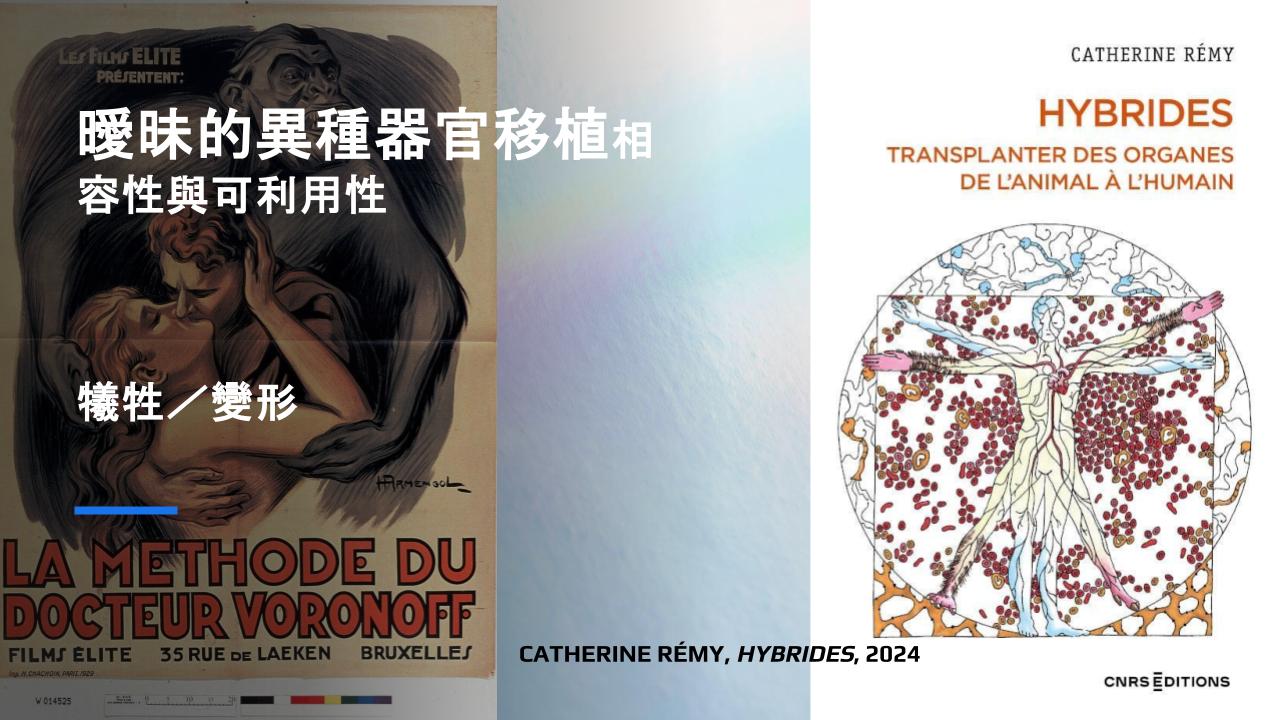
Figure 4: Jung-Tai Chen quotes historical philosopher Vinciane Despret's concept of "metamorphosis" to reflect on xenotransplantation. Instead of viewing gene-edited pigs as "sacrifice," it is better to imagine a synthetic body like an "endosymbiont"; this is like the shaman's avatar turn, reopening alternative possibilities for human-animal symbiosis through metamorphosis and perspective switching.
◼️ Source: Speaker's presentation
At the end of the introduction, Jung-Tai displayed Australian artist Patricia Piccinini's 2002 work The Young Family, created in the technological context where gene-edited pigs were just beginning to be seen as potential suppliers of human organs. In the image, the gene-edited pig born to supply human organ needs is tenderly gazing at a newborn piglet that might also carry human organs. Jung-Tai Chen uses this to pose a question to the audience: in this image, do we see "sacrifice" crossing species boundaries and reaching its limit, or a possibility for "metamorphosis" and communication that might exist between humans and animals?
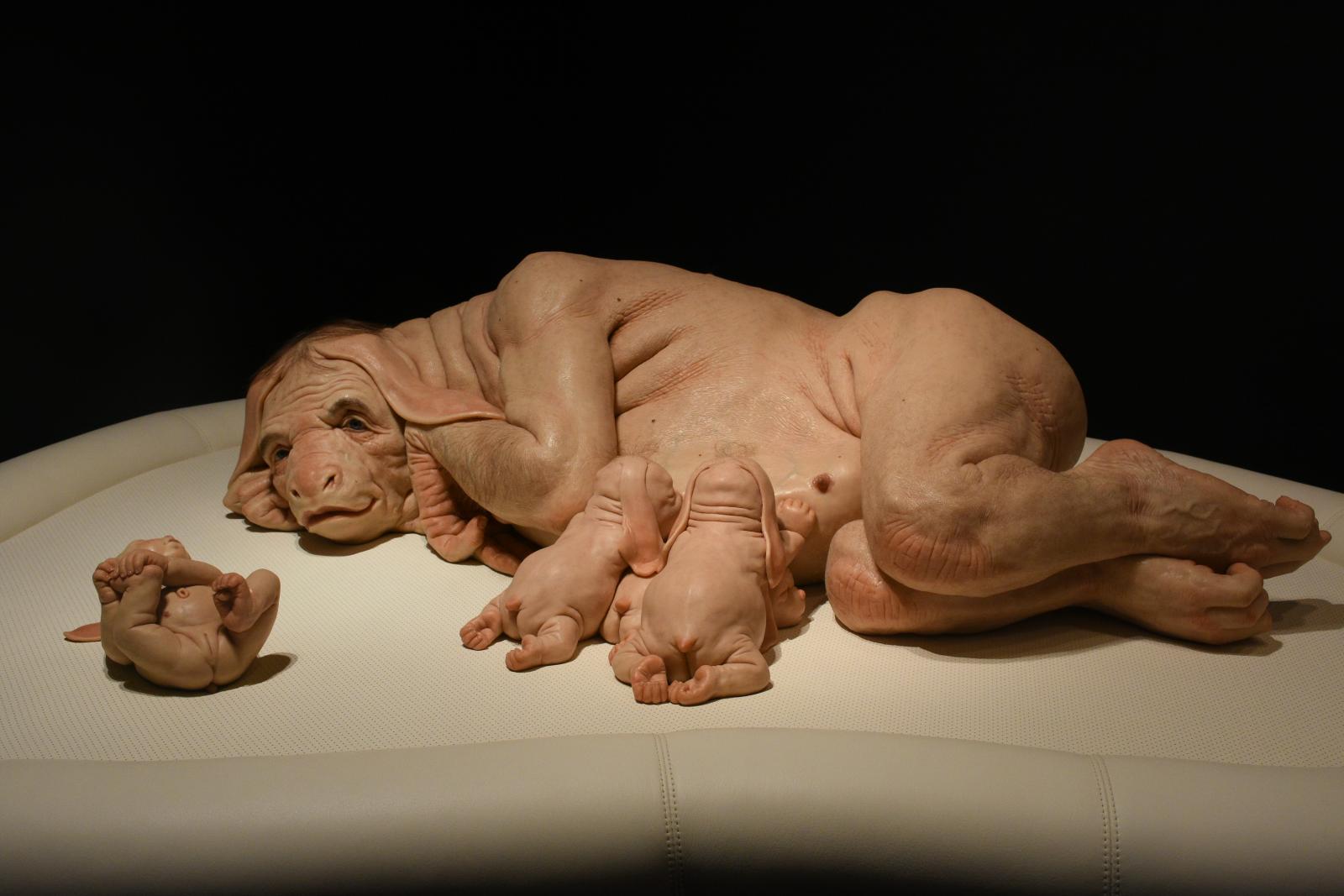
Figure 5: Patricia Piccinini’s The Young Family (2002) visualizes the ethical anxiety and entanglement of life behind xenotransplantation, challenging our perceptions of the "natural" vs. "artificial."
◼️ Source: “The Young Family – Transgenic Beings by Patricia Piccinini 1” by Amaury Laporte is licensed under CC BY-NC 2.0
Host Chen Kuan-Chang responded and shared that in the practice of Tsou hunters, as prey is dying, the hunter will touch them at the last moment, thanking them for caring for and continuing human life through the transformation of life. Returning to the reflection on relationships, a special taboo exists in this relationship: an informant told him that Tsou hunters cannot raise pigs because once a domestic relationship is established, they will never be able to hunt pigs again. This is the difference he perceived between hunting and domestication in the practice of Tsou hunters.
Additionally, Kuan-Chang shared another case: affected by African Swine Fever this year (2025), the Siraya people's Night Ceremony could not use physical pigs as a "sacrifice" to thank Alid[2], so they had to replace it with "rice cake pigs." This led Chen Kuan-Chang to start thinking: In rituals, do we actually need the "form" of the pig or its "inner essence"? Furthermore, in conversations with Tsou hunters, one often hears the saying "sometimes humans become animals, and sometimes animals turn into humans." Kuan-Chang believes that this "metamorphosis" might be the core ethical debate regarding species in the life experience of Tsou hunters.
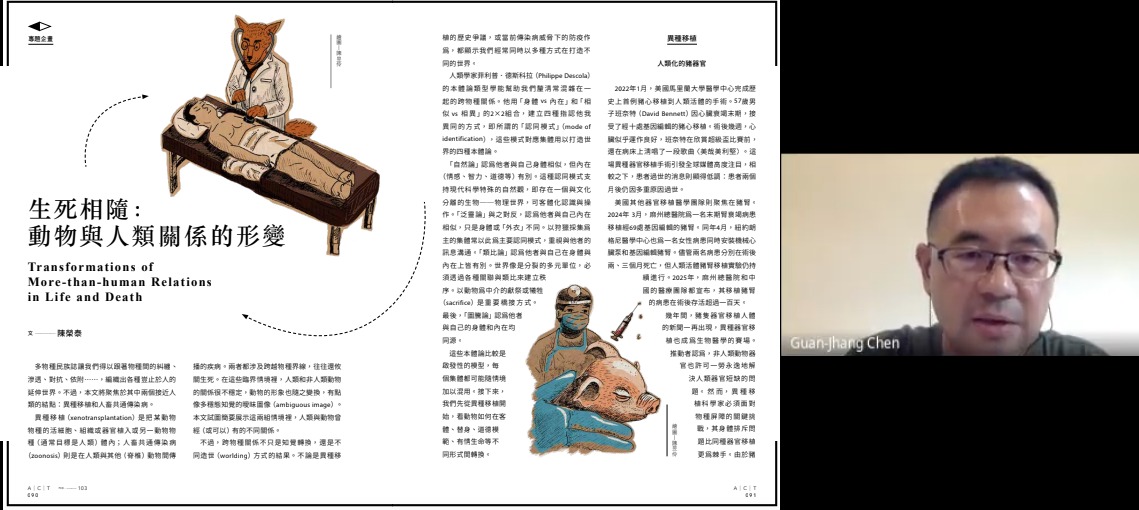 Figure 6: Host Chen Kuan-Chang shares fieldwork experiences. The Tsou taboo on raising pigs separates hunting from husbandry, while the Siraya's use of "rice cake pigs" triggers reflections on the "form vs. essence" of sacrifices.
The final speaker was Professor Ya-Chung Chuang from the Department of Humanities and Social Sciences at National Yang Ming Chiao Tung University. Professor Ya-Chung's research originally focused on political anthropology and urban anthropology; however, through more than ten years of fieldwork exploration, he gradually discovered that the city is an existence that crosses the boundaries of "culture" and "nature." Focusing solely on human communities is no longer sufficient to explain the current dramatic urban development processes. This article included in the special issue, From Silicon Valley to River Valley: Diagnosing the Hsinchu Urban Stream Syndrome, is not only part of his overall research and thinking process but also his attempt to place urban research within the theme of "water" as a way to re-understand the city.
Professor Ya-Chung first sorted out his research context. In recent years, he has taken the Hsinchu Science Park (HSP) as the core, focusing on the park and its surroundings, combining contemporary urban theory, multispecies ethnography, and the "ontological turn of things" to construct an urban ontological analysis framework he calls the "Multiverse of the HSP." He argues that urbanization is not only the expansion of physical space or the stacking of economic output values but also a state of existence where humans, non-human life, and various material forces are interconnected and co-constructed.
We follow Professor Ya-Chung's footsteps, looking back at the transformation of this "Multiverse of the HSP": from the budding of Taiwan's integrated circuit project in the 1970s, to the 1990s when Hsinchu gradually became synonymous with "Science City"—and the city consequently expanded dramatically—to the 21st century, where Hsinchu faces an ecological crisis of large-scale farmland and soil loss, as well as the decay of wetlands and streams. Throughout this long historical process, Professor Chuang tracks the objects and species within, such as chips, water, rice, soil, deities, fish, shellfish, and crabs, attempting to describe how different objects and species jointly constitute the complex multiverse of the HSP through their action trajectories.
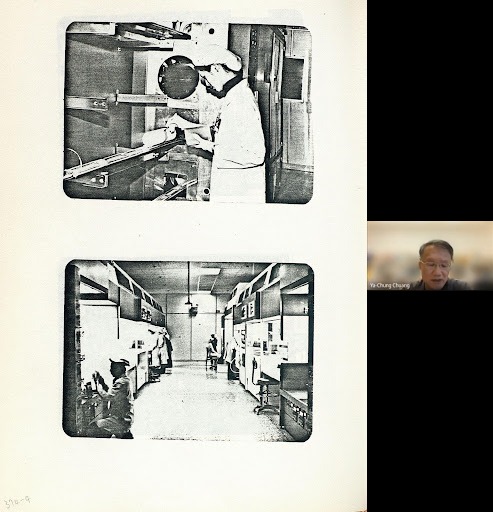
Figure 7: Professor Chuang introduces the starting point of Taiwan's tech history: the early ITRI demonstration plant that produced Taiwan’s first chip.
◼️ Source: Speaker's presentation.
The launch of the integrated circuit project in the 1970s was the beginning of this great change. Subsequently, led by engineer Pan Wen-Yuan, the successful transfer of electronic watch chip technology allowed CMOS, the avant-garde chip manufacturing technology at the time, to formally settle in Taiwan.
Developing from the life concept of "semiconductors" that runs through the HSP and further tracing the inner power of chips is the starting point for Ya-Chung Chuang's understanding of the HSP. He believes that rather than viewing the HSP as a product of national policy promotion or corporate innovation, it should be understood as a result of the explosion of material forces within the wafer fabs. In this process, the chip is not just a choice of policy or technology, nor is it merely a cold industrial product, but a material force with vitality and agency, capable of materializing and sufficiently reorganizing the urban texture.
In addition, Professor Ya-Chung also traces how Hsinchu "Science City" was assembled from technology, policy, capital, and life practices. He describes the aggregation of the semiconductor industry as forming the skeleton of this city, while people's daily labor and local memories are its flesh and blood. From the wartime ruins of the "Sixth Fuel Factory" during the Japanese colonial period to the factories of the HSP, from the disappearance of old settlements to the intense urban expansion of Hsinchu. These transformations are not just physical extensions of space but the process and result of historical layering.
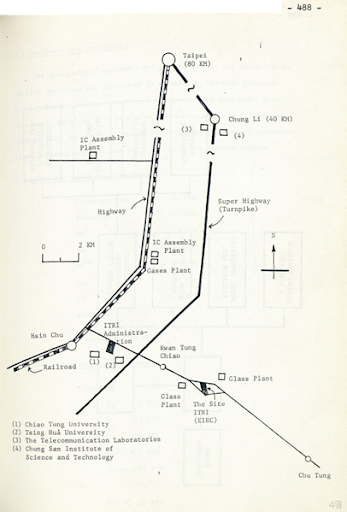
Figure 8: Maps from 1978 vs. 2018 show Hsinchu’s transformation from scattered factories to a massive metropolitan area.
◼️ Source: Speaker's presentation.
In recent years, Professor Ya-Chung has begun to focus on those "alternative events" that are excluded during the process of scientific expansion but manage to exist tenaciously. In the food forest on the slopes of Qionglin, the mud, big trees, and circling eagles make him feel that outside the silicon world, there is still an order of self-organization for life; he calls this heterogeneous heterotopian world the "Organic Republic." From the struggles of self-help associations and the anger of farmers to the pastoral life of young farmers, Professor Ya-Chung's research shows that the Organic Republic is actually an untamed and combative community force that powerfully challenges unidirectional development narratives.
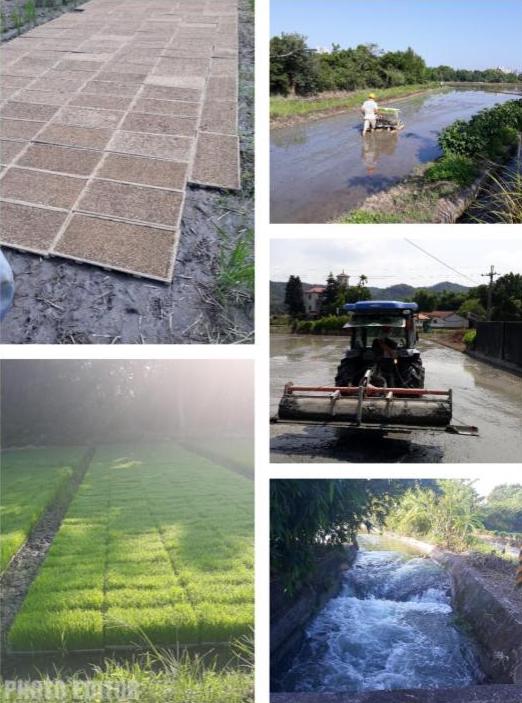
Figure 9: On the edge of the high-tech Science City, irrigation and traditional farming persist. Chuang calls this the "Organic Republic."
◼️ Source: Speaker's presentation.
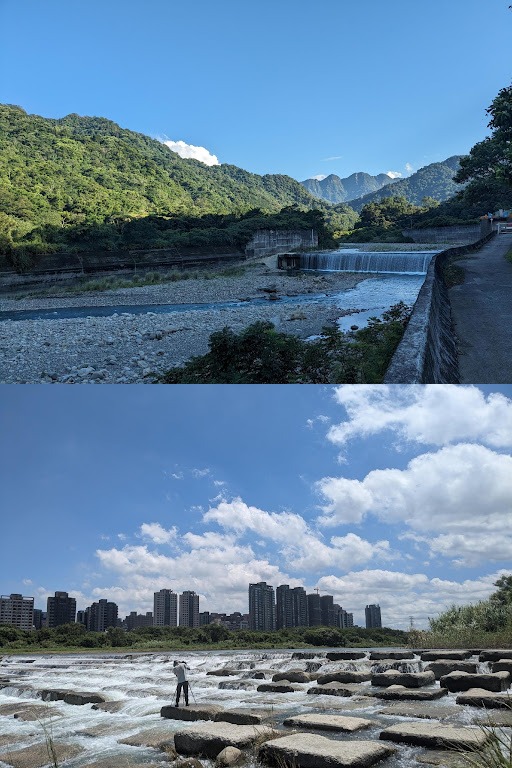
Figure 10: Two major dams within Hsinchu’s technical governance system: the Shangping Weir (top) and the Longen Weir (bottom). These two weir structures are critical nodes in Hsinchu’s cross-basin water diversion mechanism, bearing witness to the shift of water rights from agricultural and public use toward "national strategic" industrial use since the 1980s.
◼️ Source: Speaker’s presentation
This system can be traced back to the 1960s. Originally, the preliminary planning for the Baoshan Reservoir aimed to improve upland irrigation and public water supply; after 1980, in response to the opening of the Hsinchu Science Park (HSP), it was repositioned as a dedicated industrial water source. With the completion of the Baoshan Reservoir in 1985 and the commissioning of the Baoshan No. 2 Reservoir in 2006, the entire structural layout of the Touqian River basin was thoroughly overturned, forming a cross-basin water diversion mechanism and a new "water assemblage." Water sources above the Shangping Weir are directed through canals and dedicated pipelines to the reservoirs to support the usage of the HSP, eventually turning into wastewater flowing toward the Keya River and the sea.
This joint operation mechanism is built upon a rational model based on hydrology and engineering calculations, transforming natural basins into controllable technical apparatuses. The history of the HSP acquiring water rights reveals another layer of political and economic issues: water rights originally designated by law for public and irrigation priority were redistributed to the industrial sector in the 1980s. Although the "Water Act" explicitly stipulates domestic and public water supply as the highest priority, the HSP, by virtue of its "national strategic status," obtained institutional "exceptional rights," directly leading to structural conflicts between agriculture and industry over water during dry seasons. This process not only reflects the inequality of water supply distribution but also exposes Taiwan's long-term neglect of the essential contradiction between "water as a basic human right" and "water as an industrial commodity."
During field research, Teacher Ya-chung not only saw the continuous flow of water into wafer fabs but also witnessed farmland forced to go dry under policies that prioritize the guarantee of industrial water; residents near the reservoirs also lost their land due to construction bans or conservation regulations. In this process, every water supply pipeline demonstrates how power infiltrates the natural flow of water and hides behind technical facilities. Water, therefore, paradoxically becomes an "alibi" for power.
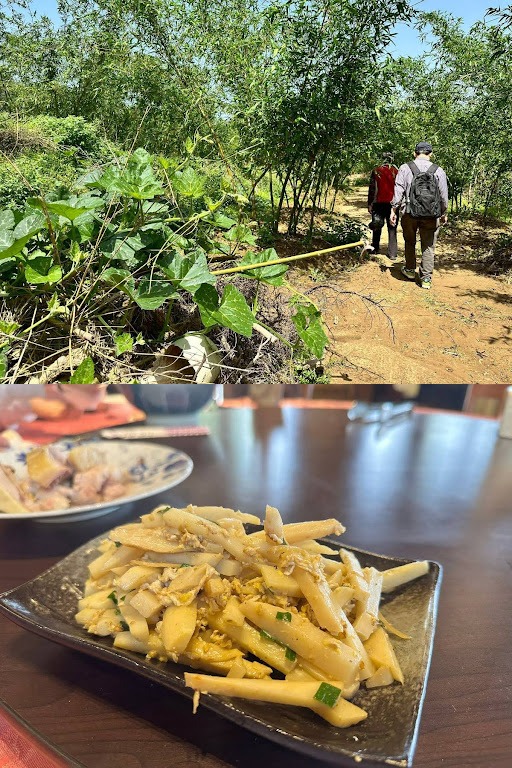
Figure 11: Many green bamboo shoot orchards originally stood beside the Baoshan Reservoir, but the construction and subsequent operation of the reservoir significantly restricted the original agricultural land. For residents, these bamboo shoots are not just food; they bear witness to how local land has gradually lost its agricultural agency under the expansion of technical governance.
◼️ Source: Speaker’s presentation
On the other hand, the wastewater discharge problem of the HSP has caused Keya Creek and Xiangshan Wetland to suffer from pollution. Heavy metals penetrate the bottom sediment, causing the color of the estuary to change abnormally and leading to the death of fish, shellfish, and crabs; the accumulation of heavy metals such as copper and zinc is common in coastal streams. Keya Creek, which has undergone the most dramatic change, turned from a clear natural stream where people could originally play in the water and catch fish into the main discharge stream for HSP sewage after the 1990s, thus gradually being concreted into a turbid and smelly drainage channel.
In 2000, the stench from HSP emissions triggered intense local protests, making the Keya Stream a prominent site for urban boundary governance and environmental disputes. This journey of water from the valley to the estuary reveals a cross-basin power system where agriculture yields to industry and streams become sewers. This makes "Hydro-Hsinchu" not just infrastructure, but a testing ground for ethics and justice.
Professor Chuang attempts to start from the boundaries of Hydro-Hsinchu, following the diverted water to where the stream ends and the sea begins. He travels down the Shangping River, from the base of the dam to the discharge outlets, all the way to Siangshan to explore the intertidal zones of the wetlands. He calls this world nurtured by different bodies of water "Wet Paradise"—a space full of contradictions that nonetheless stubbornly nurtures abundant life. Furthermore, by observing the actions of biologist Tseng Ching-Hsien and the "Clean Water Alliance," he has learned to understand the world from a "fish's perspective," simulating underwater sounds and sensations to reclaim a sense of "more-than-human" perception.
At the end of his sharing, the screen showed images of wetlands, rice paddies, and rainbows. Professor Chuang concluded with a poetic narrative: with the arrival of the northeast monsoon at Siangshan Wetland, sand ripples bear witness to the daily tides, and fiddler crabs wave their claws at their burrows, recording the "eternal return" of life. Although the trauma of the past "Green Oyster Incident"[3] remains, life in the intertidal zone is resilient. Professor Chuang mentioned that elders in the Chaoshan community remain optimistic, believing life will eventually return; after twenty years of restoration, the species and seawater composition of Siangshan Wetland are constantly being reconstructed amidst change.
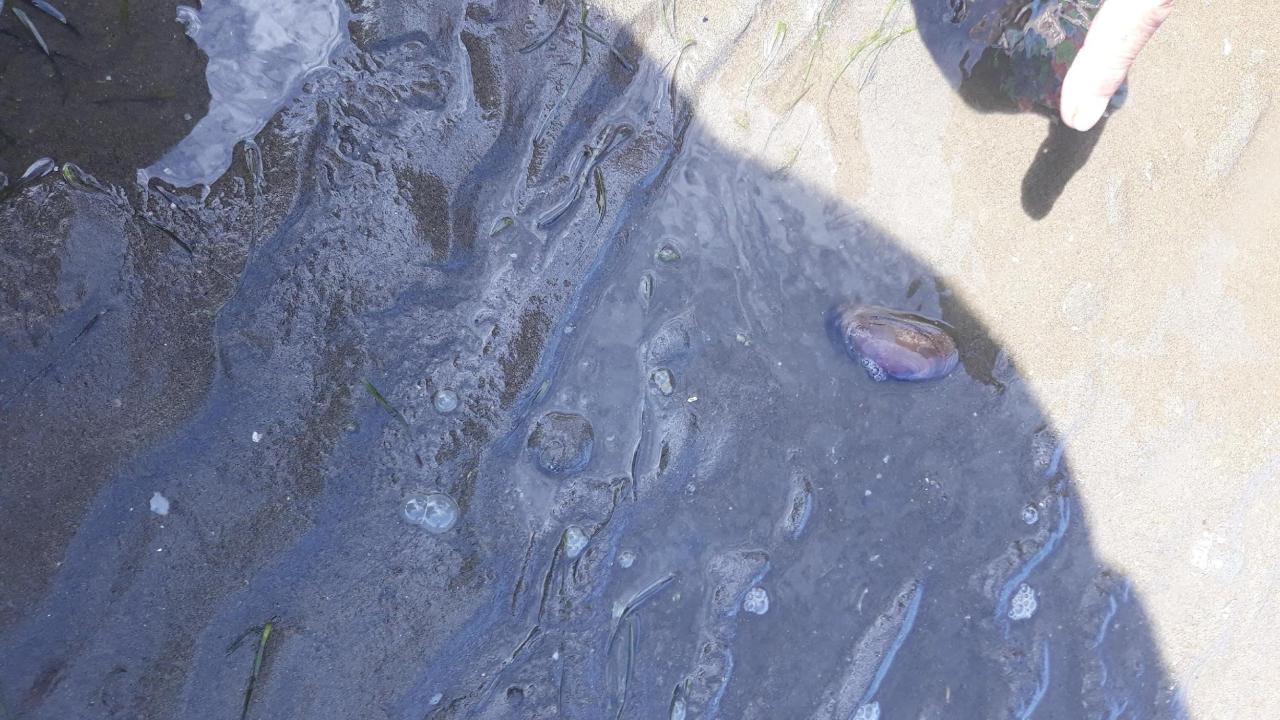
Figure 12: Sand ripples and the return of life in the Siangshan Wetland intertidal zone. The tidal textures witness the "eternal return," which Professor Ya-Chung Chuang uses as a metaphor to show that the Science Park is not a single technological entity, but a "multiverse" interwoven with silicon, hydrology, and multispecies. These silent lives make the dry, cold technical governance "moist," searching for ways to write the coexistence of humans and non-humans in the process of reorganizing the city.
◼️ Source: Speaker’s presentation
These non-human actors, in their own ways, tell of another mode of urban existence, making the originally dry and cold urban ontology "moist." Returning to the initial question: In what way does the HSP exist? For Professor Chuang, the world of the HSP is not a single entity, nor merely a product of global geopolitics, but a "multiverse" containing returning farmers, the competition between silicon and the island, mechanical vibrations, hydrological flows, the spiritual power of deities, and the texture of the soil. Here, the city becomes a collection of the material and the spiritual.
Professor Chuang emphasized that the forces truly challenging the limits—besides the processing technology of wafer fabs—come from seemingly silent lives like rice, seedlings, Varicorhinus (fish), and fiddler crabs. Through their own actions, they continue to reorganize the city, attempting to find a way of writing where "human and non-human" and "nature and culture" can entwine and coexist.
At the end of the event, an audience member asked: Regarding the "alliance with science" mentioned in the special issue's introduction, how has the scientific community responded to multispecies discussions?
Huang Han-Yao responded by noting that in the field of ecology, "biodiversity" has always been a mainstream topic, but it traditionally focuses on the "non-human" realm, rarely looking at how it intertwines with human production. He summarized the core of his article: the interest of the Dadu Plateau lies in showing the possibilities of "permeation." Whether producing sugarcane in arid regions or designating a science park, how industry and local life permeate each other opens up a rich space for imagination.
Echoing Professor Chuang’s discussion on "HSP water," Huang noted that migratory species are often found in the ecological ponds of science parks around the Dadu Plateau. He believes that in the peripheral zones of industry, a conservation system might unexpectedly connect with other habitats. If this system is valued, it could become a key infrastructure for "grounding" the park and connecting it with local life.
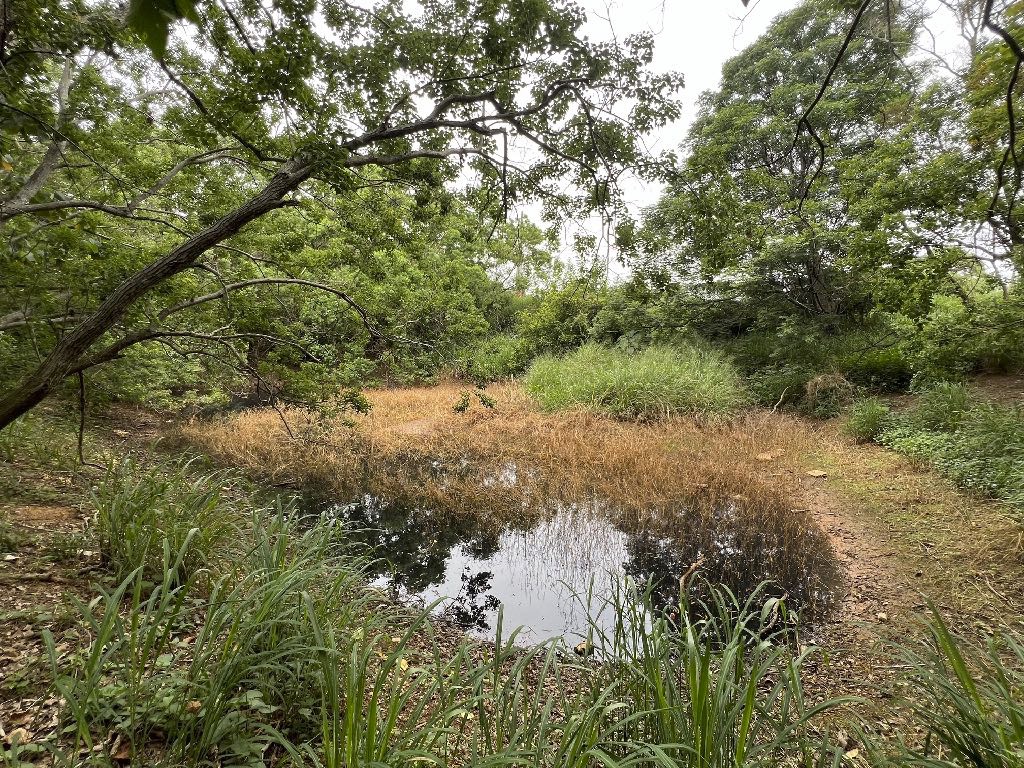
Figure 13: Huang Han-Yao believes the traditional "pond beside the house" on the Dadu Plateau can engage in a dialogue with the ecological ponds of the science parks. These peripheral devices may link up into unexpected conservation systems, becoming crucial for grounding industrial parks and connecting them with local life and habitats.
◼️ Source: Speaker’s presentation
Hsu Chen-Fu admitted that as for the current situation, natural scientists might not necessarily think that the "multispecies research" trend is the primary issue. Although in many contemporary contexts, especially when talking about conservation policies, the human and social dimensions can no longer be ignored. Even though multispecies research emerged in the humanities and social sciences, it often requires allying with natural scientists, trying to find points of connection between disciplinary traditions with long-term barriers of division of labor. Cross-disciplinary cooperation is therefore particularly important and brings more possibilities of mutual inspiration to research.
Chen Kuan-Chang emphasized that as mentioned in the introduction, when humanities and social science research crosses into natural science, we need constant inclusion and dialogue, learning how to cooperate to catch the gaps between disciplines and rewrite and fill them. Following the audience's question, Chen Kuan-Chang turned to ask Jung-Tai Chen: How do you cooperate with natural science researchers in your research? And what areas need attention during the cooperation process?
Regarding cooperation details, Jung-Tai believed that the problems of multispecies research are not "their" problems encountered in the field by scientists, but "our" problems; it is natural for scientists not to be interested. When facing natural scientists in different fields, different reactions and results may also occur. For example, in Jung-Tai's field, the thinking and questions of animal welfare scientists echoed multispecies issues quite a bit. In the process of multispecies ethnography research, he believes there are two levels of discussion: one is the field and interaction, and the second is when we can no longer follow the guides, how should the report be written? And how should one's own consciousness be added for "translation"?
Jung-Tai Chen shared his understanding in the French academic community; local multispecies ethnography is mainly inspired by Gilles Deleuze and Félix Guattari's "rhizome"[4] concept: resisting a hegemonic singular order through a world of heterogeneous networks. Another more frequently discussed ontological turn is influenced by French anthropologist Philippe Descola. Inheriting the discourse contexts of Michel Foucault and Lévi-Strauss, Descola is concerned with how patterns of relationships suddenly turn in specific contexts, which is also the reason why Jung-Tai constantly mentioned the "ambiguous figure" (Ambiguous figure) in his sharing. After following these informants in the field, do we have a way to catch or imagine those moments in subsequent reports when the relationships between humans and animals suddenly transform in certain situations?
Regarding Chen Kuan-Chang's sharing about Tsou hunters not raising pigs and the Siraya Night Ceremony replacing them with rice cake pigs, Jung-Tai Chen added a viewpoint Descola has proposed in recent years: "Sacrifice" may contain a "cheating" aspect.
Through observations of animistic societies in "total hunting" and "combined hunting and domestication," Descola discovered that in an animistic world, hunters hunting is actually very dangerous—because the prey itself also hunts humans. If both parties fail to reach good communication, the owner of the prey might even hunt the human soul in return. In this dangerous relationship of reciprocal exchange, Descola proposed a bold imagination: Is the reason humans began domesticating animals to deal with the demand for "returning life"? When you hunt a wild animal and the spirits demand its return, you sacrifice a "domestic animal" as a substitute exchange. The inner essence of these domestic animals must be similar enough to humans, but they are viewed as "lower order" in rank, so they can function as a double. Following this logic, perhaps it is not because we started domesticating animals that sacrificial rituals evolved; on the contrary, it is because there was this demand for "cheating" that domestication subsequently appeared.
Chen Kuan-Chang responded that in the process of conducting multispecies research, he believes the most difficult but necessary thing is how to cooperate with scientists. As a researcher with an art background who crosses into fields such as soil and hydraulic engineering, he often needs to learn how to understand and "translate" the voices of different disciplines and guides. Additionally, multispecies research encourages him to have the courage to "face uncertain answers" in contemporary dilemmas. He admitted that in the process of attempting multispecies research, he sometimes feels unusually vulnerable because methodologies often cannot be preset and must be slowly explored and revealed during the action process.
Professor Ya-Chung cited Latour's discussions on ontological analysis and cross-species to respond to the alliance between scientific and humanities researchers, as well as the audience's second question: When we think in an ecological way, are the currently cited theories and literature still heavily weighted toward Western new materialism or post-human theories? In local research, what are the new theoretical developments and possibilities?
Professor Ya-Chung mentioned that Latour believes people with relevant awareness should undertake the work of "diplomacy" and "connection." In Professor Ya-Chung's experience, cooperating with natural scientists is sometimes even smoother than with humanities and social researchers who stick to traditional knowledge boundaries. The reason is that when your research faces a practical "encounter," no matter what academic community you are in, as long as the researcher consciously faces the problem of crossing over, it is possible to connect discussions in different fields.
For example, in Professor Ya-Chung's research on "Hydro-HSP," many questions about fish perception and how encounters between humans and fish occur were sparked in exchanges with different biologists. Although it cannot be denied that various fields have their established disciplinary paradigms and these paradigms to some extent limit cross-disciplinary boundary-crossing, the possibility of crossing can gradually be seen in many emerging studies. Latour reminds us to maintain an open attitude, like a diplomat operating within multilateral power mechanisms, thereby changing the established knowledge production system.
As for the possibility of "Taiwanese local theory," Professor Ya-Chung believes that although our reflections on ontology and cross-species mostly originate from the West, how to establish Taiwan's own knowledge production system is still worth looking forward to. For example, in the special issue, Jeffrey Nicolaisen's article A Meeting of Divine Trees and Brown Root Fungus at Dharma Drum Mountain: Practice beyond the Boundary of Illness and the Tradition/Modernity Divide reflects on multispecies issues from the Buddhist perspective of Dharma Drum Mountain; and Professor Ya-Chung also added Zen thinking into his own research. These studies provide alternative perspectives different from mainstream European and American knowledge production. With the anthropological trend of "following the thing"[5] (following the thing), the "treasures" of local religion, culture, and Indigenous knowledge in Taiwan's knowledge system have gained more possibilities for being reconnected, crossed, and transformed.
Kuan-Chang then responded that he recently repeatedly read French philosopher Baptiste Morizot's Manières d'être vivant, which also unfolds its thinking from Latour's proposed "parliament of things" [6](parliament of things). By assisting things or species in speaking on their behalf, it further suggests: Is it possible for us to become a kind of "diplomat for things or matter"? This diplomat must seek possibilities for dialogue across multiple domains. If we speak on behalf from only a single perspective, it is easy to fall back into another speciesist or materialist trap of thinking.
The last question, an audience member was curious: regarding the narrative discussed by Huang Han-Yao that "seems to disappear in time but can be re-woven and re-connected in specific spaces," what are the views of local people?
Han-Yao responded that he observed many groups around the Dadu Plateau are making cross-disciplinary efforts: some are crossing from literature and history into ecology, some turning from archaeology to cultural revitalization, and some focusing on conservation within production; these actions all faintly fit the "Dadu Mountain Green Belt Blueprint" proposed by the Taichung City Government. However, Han-Yao believes that these practices are mostly bottom-up, slowly and spontaneously forming alliances; he hopes to properly sort out, weave, and present these scattered viewpoints from the perspective of a reporter.
After more than two hours of book sharing, the intertwined dialogue of rich knowledge content, fieldwork experience, and multispecies thinking gradually drew to a close, ending successfully with a wave of praise in the online meeting chat room. Kuan-Chang announced that ACT: Multispecies Special Issue will hold more physical exchanges and sharing sessions throughout Taiwan, sincerely inviting interested readers to continue following the center's website, looking forward to exploring the infinite possibilities of multispecies research with everyone in the future.
Proposed by biologist Lynn Margulis. It argues that complex life originated from the mutual penetration and long-term symbiosis between species, rather than simple competition. In this context, it is used to imagine the physical integration of gene-edited pigs and human organ transplantation, together constituting a "synthetic new body."
The deity of the traditional beliefs of the Siraya people in Taiwan. No statues are erected; instead, the deity is worshipped through containers such as pots, urns, and jars filled with clear water. In traditional rituals (such as the Night Ceremony), pigs are extremely important "sacrificial" offerings when worshipping Alid, symbolizing communication and a covenant with the deity.
Refers to the late 1980s to the 1990s, when the Xiangshan Wetland in Hsinchu was polluted by heavy metals (such as copper and zinc) discharged from neighboring industrial parks, causing a massive appearance of "green oysters" in local aquaculture. This incident not only devastated the local farming industry but also exposed the deep trauma caused by industrial wastewater to estuarine ecology and human health during the early expansion of science parks, becoming an important turning point in the history of Taiwan's environmental movement.
Proposed by Deleuze and Guattari. Unlike the vertical hierarchical "tree-like" structure, a rhizome is a horizontal, non-centered, and constantly branching network of connections. In multispecies studies, it is used to describe the intricate and non-hierarchical associations between biology, technology, and society.
A contemporary anthropological research method, which advocates that researchers should not preset frameworks, but rather trace the flow, transformation, and associations of objects (such as microchips, water, germs) to outline the complex social networks and ontological worlds behind them.
A core concept proposed by Bruno Latour, which advocates for breaking the binary opposition between nature and culture, inviting non-humans (such as viruses, forests, water, technology) into the halls of public dialogue and granting them representation.
近期新聞 Recent News
.jpg)
.png)
(1).jpeg)
Report | on the Lecture “Trade Policy and Labor Rights: Competition and Convergence” Seeing the Emerging Relationship between Trade Policy and Labor Rights Protection through Forced-Labor Governance
2026-06-29
more.jpg)